
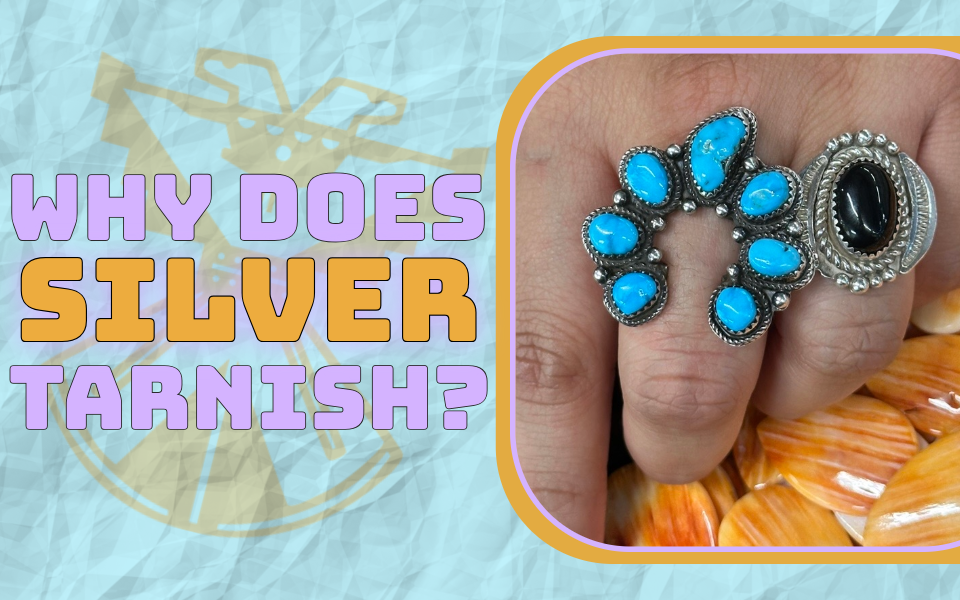
Why Does Sterling Silver Tarnish?
Have you ever looked at one of your favorite sterling silver pieces and wondered why it doesn't shine the way it did when it was brand new? If so, you're not alone. Tarnishing is one of the most common questions we receive, and the good news is that it's completely normal.
In fact, tarnish is often a sign that your jewelry is made from genuine .925 sterling silver.
What Does .925 Sterling Silver Mean?
Sterling silver is made of 92.5% pure silver and 7.5% copper. Pure silver on its own is very soft, so copper is added to make it strong enough for everyday wear and jewelry making.
While this combination creates a durable and beautiful metal, it also means sterling silver will naturally react with its environment over time.
Why Does Silver Tarnish?
Tarnish is the result of a natural chemical reaction called oxidation.
When sterling silver comes into contact with oxygen, moisture, and sulfur compounds found in the air, a thin layer of silver sulfide forms on the surface. This is what causes silver to lose its bright shine and develop a dull or dark appearance.
Although tarnish may not look appealing, it's completely normal and expected for authentic sterling silver.
What Causes Silver to Tarnish Faster?
Several everyday factors can speed up the tarnishing process, including:
- Living in areas with high humidity or air pollution.
- Exposure to moisture from bathrooms, swimming pools, hot springs, or gyms.
- Contact with perfumes, lotions, hairsprays, and certain cosmetics.
- Improper storage, such as leaving jewelry exposed to open air for long periods.
- Storing silver in cardboard boxes or paper wrapping, which can contain sulfur residues from the manufacturing process.
Even the oxygen and moisture in the surrounding air play an important role in the oxidation process, allowing sulfur compounds to bond with the silver.
Is Tarnish Bad?
Not at all! One interesting fact about sterling silver is that the tarnish layer is self-limiting. Unlike rust on iron, which continues eating away at the metal, silver tarnish forms only on the surface. If left untreated, it can become darker and thicker, but it actually helps protect the silver underneath from further corrosion.
That's one reason why tarnish isn't considered damage—it's simply a natural characteristic of sterling silver.
Keep Your Sterling Silver Looking Its Best
While tarnish can't be completely prevented, you can slow it down by storing your jewelry properly, keeping it away from excess moisture and chemicals, and cleaning it regularly with products designed for sterling silver.
With just a little routine care, your favorite sterling silver pieces can continue to shine beautifully for years to come.
🎥 Want to see the science behind silver tarnish and learn even more? Click here to watch our YouTube video!


